
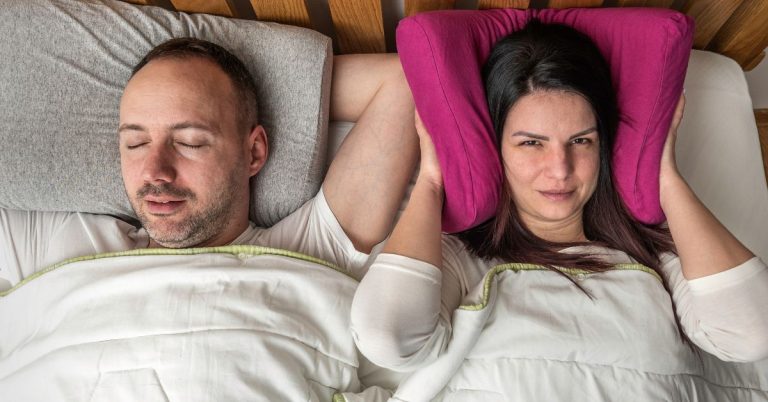
Sleep apnea, a condition characterized by repeated interruptions in breathing during sleep, significantly impacts one’s quality of life and overall health. While medical interventions such as CPAP (Continuous Positive Airway Pressure) machines are common remedies, lifestyle changes can play a pivotal role in managing and potentially alleviating the severity of sleep apnea symptoms. This comprehensive guide outlines key lifestyle modifications that can foster better sleep health and contribute to the management of sleep apnea.
Embrace a Healthier Diet
Nutritional Balance and Weight Management
Maintaining a balanced diet and achieving an optimal weight can significantly reduce the severity of sleep apnea. Excess weight, especially around the neck, can narrow the airway, increasing the likelihood of obstructions during sleep. A diet rich in fruits, vegetables, lean proteins, and whole grains can aid in weight management and potentially lessen sleep apnea symptoms.
Incorporate Regular Physical Activity
Exercise for Improved Sleep and Respiratory Strength
Regular exercise can enhance sleep quality, promote weight loss, and strengthen the muscles involved in respiration. Activities such as yoga and aerobic exercises not only contribute to overall physical health but can also improve lung capacity and oxygen saturation during sleep.
Optimize Sleep Hygiene
Establishing a Restful Sleep Environment
Creating a conducive sleep environment is crucial for individuals with sleep apnea. This involves maintaining a cool, quiet, and dark room, investing in a comfortable and supportive mattress, and adhering to a consistent sleep schedule. Ensuring a regular sleep pattern can help stabilize sleep phases and reduce sleep apnea episodes.
Minimize Alcohol and Sedatives
The Impact on Sleep Apnea
Alcohol and certain sedatives can relax the throat muscles, exacerbating airway obstructions during sleep. Limiting intake, especially before bedtime, can help reduce the frequency and severity of sleep apnea episodes.
Consider Positional Therapy
Sleep Position and Airway Obstruction
For some, sleeping on the back (supine position) can worsen sleep apnea due to gravitational effects on the airway. Positional therapy, which encourages side sleeping, can alleviate this issue. Specialized pillows and devices are available to assist in maintaining a side-sleeping position throughout the night.
Practice Good Nasal Hygiene
Clearing the Nasal Passages for Better Breathing
Nasal congestion can hinder breathing and exacerbate sleep apnea symptoms. Regular nasal hygiene practices, such as using saline sprays or nasal irrigation systems, can help maintain clear nasal passages, facilitating easier breathing during sleep.
Explore Oral Appliances
Alternative Therapies for Mild to Moderate Cases
For individuals with mild to moderate sleep apnea, dental or oral appliances designed to keep the airway open during sleep may be an effective alternative to CPAP machines. Consulting with a dental specialist experienced in sleep disorders can determine if this option is suitable.
Stay Informed and Seek Support
The Power of Knowledge and Community
Educating oneself about sleep apnea and connecting with others facing similar challenges can be incredibly empowering. Support groups and educational resources can provide valuable information, share experiences, and offer encouragement.
The Journey Together: Support from “I Love My CPAP”
Improving sleep quality for those suffering from sleep apnea is more than a possibility—it’s a reality that can be achieved through thoughtful lifestyle changes and the support of dedicated professionals. As we’ve explored, nutrition, exercise, sleep hygiene, stress management, and mastering the use of CPAP are pivotal in this journey.
At “I Love My CPAP,” we’re dedicated to providing mentoring and coaching services that empower you to master your CPAP therapy. Our team, grounded in years of experience and a deep understanding of respiratory care, is here to guide you every step of the way.
If you’re ready to take control of your sleep apnea and explore how CPAP can further enhance your quality of life, “I Love My CPAP” offers expert mentoring and coaching. Join us in this journey towards better sleep and a healthier future.