
Sleep apnea, a common yet often undiagnosed sleep disorder, can have profound effects on your health and well-being. As a Respiratory Care Practitioner with years of experience in both in-patient care and sleep clinic settings, I’ve witnessed firsthand the impact of sleep apnea on individuals of all ages. In this comprehensive guide, we’ll explore how sleep apnea affects various aspects of health, from respiratory function to emotional well-being, shedding light on the importance of early detection and treatment.
The Respiratory System
Let’s start with the respiratory system, the primary target of sleep apnea’s disruptive effects. During sleep, individuals with sleep apnea experience repeated pauses in breathing, known as apneas, or shallow breathing, termed hypopneas. These disruptions occur due to obstruction of the upper airway, leading to decreased oxygen levels in the blood and fragmented sleep patterns. Over time, this strain on the respiratory system can result in daytime fatigue, morning headaches, and even respiratory complications such as pulmonary hypertension.
As a Respiratory Care Practitioner, I’ve assisted countless patients in managing their respiratory conditions, including sleep apnea. From administering overnight sleep studies to implementing continuous positive airway pressure (CPAP) therapy, our goal is to optimize respiratory function and promote restful sleep. By addressing sleep apnea early on, individuals can mitigate the risk of long-term respiratory complications and enjoy improved quality of life.
Cardiovascular Health
The connection between sleep apnea and cardiovascular health is well-established, yet often underestimated. The recurrent episodes of apnea and hypopnea trigger physiological stress responses, including increased heart rate and blood pressure. Over time, this chronic stress can contribute to the development of hypertension, arrhythmias, and cardiovascular disease.
As someone who has worked closely with patients in both cardiac and sleep clinic settings, I’ve seen the interplay between sleep apnea and cardiovascular health firsthand. By addressing sleep apnea through lifestyle modifications, CPAP therapy, or other interventions, individuals can significantly reduce their risk of cardiovascular complications and improve overall heart health.
Cognitive Function
Sleep is essential for cognitive function, memory consolidation, and overall brain health. However, individuals with sleep apnea often experience disrupted sleep architecture, leading to daytime sleepiness, impaired concentration, and memory deficits. These cognitive impairments can impact daily activities, work performance, and even increase the risk of accidents.
In my experience as a Respiratory Care Practitioner, I’ve seen how addressing sleep apnea can positively impact cognitive function and mental clarity. By promoting restorative sleep through effective treatment modalities such as CPAP therapy, individuals can enhance their cognitive abilities, improve productivity, and regain a sense of mental sharpness.
Metabolic Health
Sleep apnea is closely linked to metabolic health, with research indicating associations between sleep disturbances and insulin resistance, obesity, and metabolic syndrome. The disrupted sleep patterns and hormonal imbalances associated with sleep apnea can contribute to weight gain, impaired glucose metabolism, and dyslipidemia.
As a healthcare professional specializing in respiratory care, I’ve witnessed the intricate relationship between sleep apnea and metabolic health. By addressing sleep apnea through targeted interventions, such as CPAP therapy and lifestyle modifications, individuals can improve metabolic parameters, enhance insulin sensitivity, and reduce the risk of obesity-related complications.
Emotional Well-being
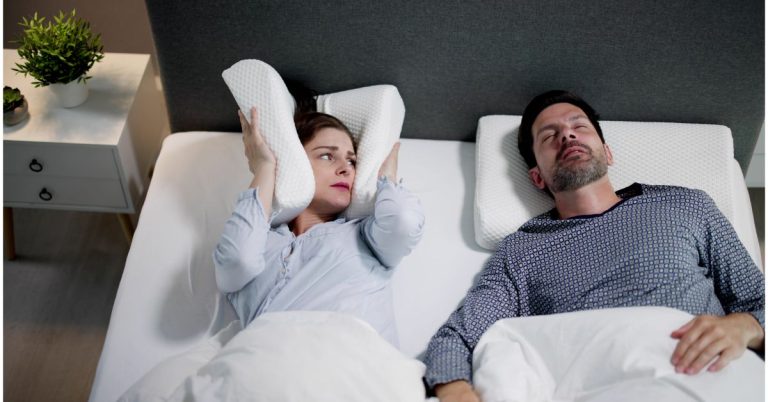
Lastly, let’s discuss the impact of sleep apnea on emotional well-being. The chronic sleep deprivation and daytime fatigue associated with untreated sleep apnea can take a toll on mental health, leading to mood disturbances, irritability, and even depression. Furthermore, the strain on personal relationships due to loud snoring and disrupted sleep can exacerbate emotional stress.
In my role as a Respiratory Care Practitioner, I’ve had the privilege of supporting individuals in managing their sleep apnea and improving their emotional well-being. By addressing sleep disturbances through comprehensive treatment approaches, including CPAP therapy and cognitive-behavioral strategies, individuals can experience enhanced mood stability, better stress management, and improved overall quality of life.
Take Control of Your Sleep Health with I Love My CPAP
If you or a loved one is struggling with sleep apnea, don’t hesitate to seek professional guidance and support. At I Love My CPAP, we specialize in mentoring and coaching services aimed at empowering individuals to manage and treat sleep apnea effectively. As experienced professionals, we are dedicated in providing personalized care and support every step of the way.
Contact us today to learn more about how we can help you reclaim restful sleep and improve your overall health and well-being.